The Huncher: A Display Font with Authentic Character
Understanding the Visual Appeal of The Huncher
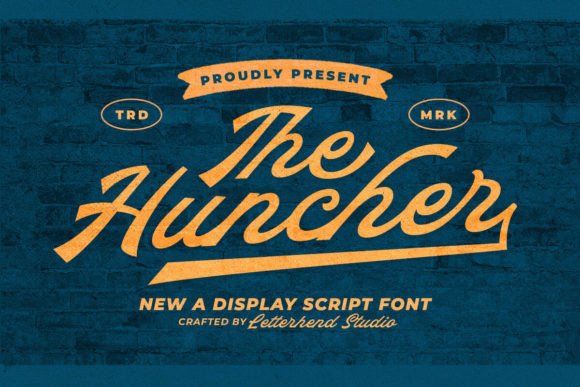
The Huncher is a display script font that brings a distinct, hand-crafted quality to any project. Unlike sterile, geometric typefaces, The Huncher has a personality shaped by its slightly irregular forms and fluid connections. It’s designed to feel personal, as if written by a skilled hand with a confident, modern flair. The overall aesthetic balances elegance with a touch of casual energy, making it versatile for both formal and creative applications.
As a premium font, The Huncher includes a comprehensive set of alternate characters and ligatures. This means you aren’t stuck with a single look. You can swap out letterforms to avoid repetition in headlines or logos, giving each word its own subtle variation. This feature is invaluable for creating a brand identity that feels dynamic and bespoke rather than templated. The font’s PUA encoding ensures that all these special characters are easily accessible, even in basic design software that might not support advanced OpenType features natively.
Where The Huncher Truly Shines: Practical Applications
Choosing the right typeface is about matching its voice to your project’s purpose. The Huncher excels in contexts where you need to inject warmth, authenticity, or a premium feel. Think about the last time a logo design felt both professional and approachable—chances are, a well-chosed script font played a role.
Branding and Logo Design
For logo design, The Huncher offers a strong foundation for brands in lifestyle, boutique retail, artisanal food, beauty, and wedding services. Its script nature conveys a sense of craftsmanship and care. However, because it’s a display font, it’s best used for the primary wordmark or a tagline, not for body copy. Pairing it with a clean sans serif font for supporting text creates a balanced and readable visual hierarchy. This pairing ensures your brand looks polished across business cards, websites, and social media banners.
Editorial and Publishing
In editorial design, such as magazines, books, or lookbooks, The Huncher can be a powerful tool for chapter titles, pull quotes, or featured headlines. It draws the reader’s eye and sets a specific tone for the content. For a cookbook, it might evoke homemade quality; for a fashion magazine, it could suggest high-end elegance. The key is to use it sparingly—its impact diminishes if overused, and readability can suffer in long paragraphs.
Packaging and Physical Products
Packaging design is another area where The Huncher can differentiate a product on the shelf. Imagine a craft coffee bag, a scented candle label, or a gourmet chocolate box. The font’s handwritten style suggests a product made with attention to detail, which can justify a premium price point. It works beautifully on labels, hang tags, and sleeve designs, especially when combined with textured paper stocks or foil stamping.
Digital and Social Media
For digital creators and marketers, The Huncher adds personality to social media graphics, email headers, and website hero sections. It’s perfect for creating quote images, promotional banners for sales, or welcoming visitors on a landing page. Its presence can make a digital brand feel more human and less corporate, which is a significant advantage in building audience engagement. Just ensure the font size is large enough to be legible on mobile screens, where script fonts can sometimes blur together.
Making The Huncher Work for You: A Practical Guide
Simply having a creative font like The Huncher isn’t enough; using it effectively requires some strategy. Here’s how to integrate it into your work for the best results.
Evaluating Fit and Testing Pairings
Before committing, test The Huncher in the context of your actual project. Does its personality align with your brand’s voice? A font that feels perfect for a bakery might feel out of place for a tech startup. Next, focus on font pairing. A reliable approach is to combine The Huncher with a neutral serif font or a sans serif font. For example, using The Huncher for a main headline and a font like Montserrat or Lora for body text creates a clear, professional structure. Always check how the letters connect and flow together—avoid awkward collisions between the script and the accompanying typeface.
Readability and Hierarchy Considerations
As a display script, The Huncher is not meant for long-form reading. Use it for short, impactful text: logos, headings, subheadings, or call-to-action phrases. For body copy, always opt for a highly readable serif font or sans serif font. This establishes a strong visual hierarchy, guiding the reader’s eye from the expressive, attention-grabbing display text to the clear, informative body text. This principle is fundamental in modern typography and applies to both print and digital design.
Exploring the Full Character Set
Don’t overlook the alternate characters and ligatures included with The Huncher. These are your tools for customization. In a logo, you might use a swash alternate for the first letter of a brand name to add a flourish. In a headline, you can cycle through alternates to ensure no two identical letters look exactly the same, creating a more organic, hand-lettered effect. Take the time to explore the font’s full glyph set—it’s where you unlock its true potential as a design asset.
Licensing for Commercial Use
Since The Huncher is intended for professional work, verify the licensing terms. A commercial font license typically covers use in logos, client projects, merchandise, and advertising. If you plan to use it for a product you sell (like on a t-shirt or mug), ensure your license permits that. Understanding the licensing protects you and your clients legally and supports the type designers who create these valuable resources.
The Huncher is more than just a script font; it’s a tool for adding character and depth to your visual communications. By understanding its strengths and applying it thoughtfully, you can elevate your designs, strengthen your brand’s presence, and create work that resonates on a human level. Whether you’re a designer crafting an identity, an entrepreneur building a brand, or a creator developing content, it offers a way to stand out with authenticity and style.